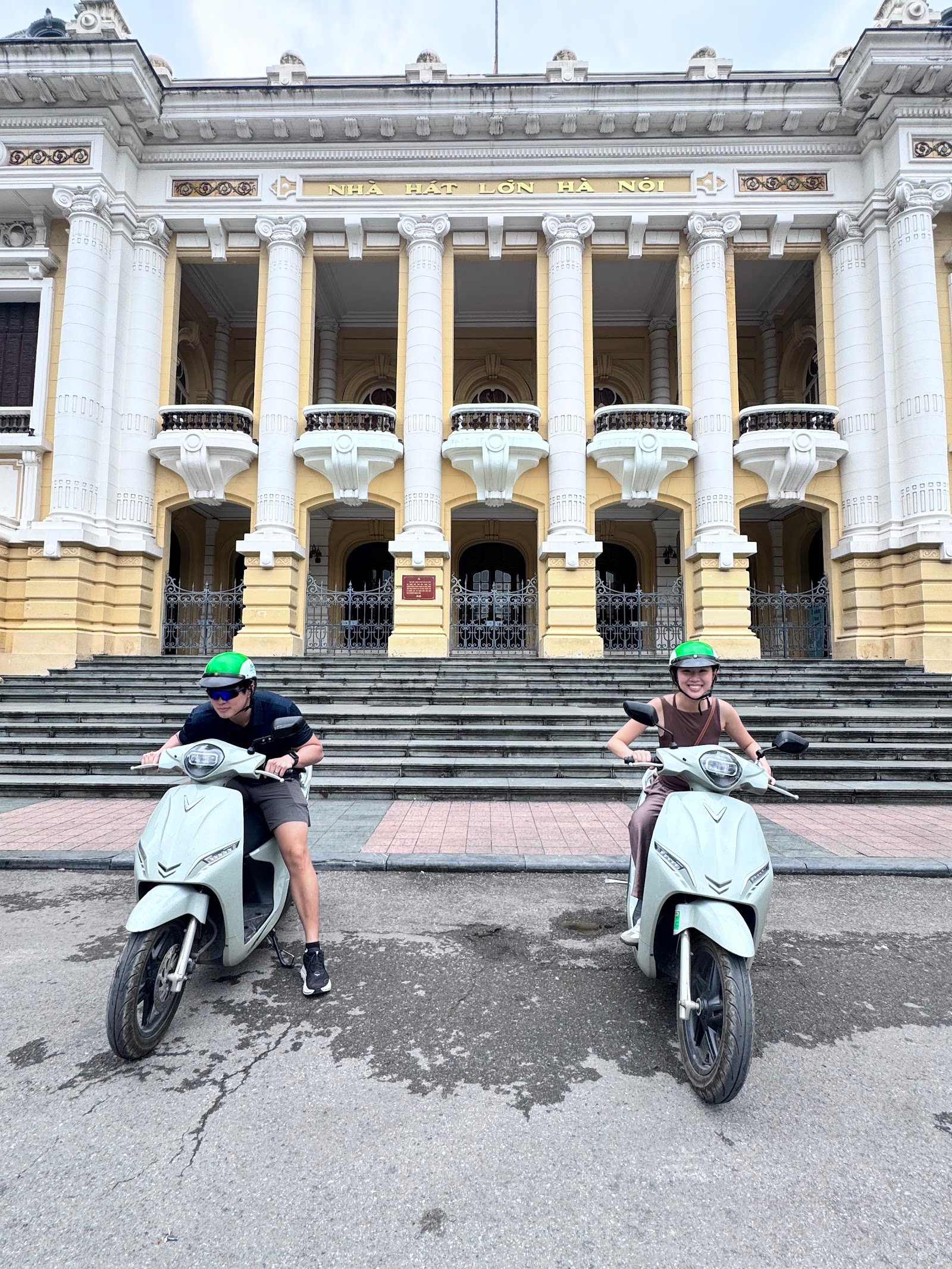
At the political heart of Hanoi lies the Imperial Citadel of Thang Long, a UNESCO World Heritage site layered with a thousand years of Vietnamese power — from imperial dynasties to a modern-war command centre.
1. A Thousand Years of Power
Successive dynasties ruled from this site for a millennium, leaving palaces, gates and foundations. It's the enduring symbol of Vietnamese sovereignty in the capital.
 New
⏱️ 2 Hours
Hanoi Jeep City Highlights Tour | 2 Hours
2. The Archaeological Treasures
Excavations have uncovered layers of foundations, ceramics and artefacts spanning centuries — a remarkable record of continuous occupation displayed on site.
 Best Seller
⏱️ 4 Hours
 Best Seller
⏱️ 4.5 Hours
3. The Wartime Command Bunker
Beneath the grounds lies D67, the underground command bunker used during the war. Descending into it is a striking jump from ancient to modern history.
 Popular
⏱️ 4.5 Hours
Hanoi Countryside Jeep Tour to Co Loa
4. Key Structures
The imposing Doan Mon gate, the flag tower and the excavated Kinh Thien palace foundations anchor a visit and reward slow exploration.
 Popular
⏱️ 4.5 Hours
 Popular
⏱️ 8 Hours
5. Visiting Tips
Allow a couple of hours, wear sun protection for the open grounds, and read the displays to connect the layers. It's central and pairs with nearby landmarks.
6. Frequently Asked Questions
Q: Why is the citadel a UNESCO site?
A: For its thousand years of continuous history as Vietnam's seat of power, with archaeological layers spanning many dynasties.
Q: What's the underground bunker?
A: D67, the war-era command centre beneath the grounds — a dramatic contrast to the ancient ruins above.
Q: How long should I spend there?
A: A couple of hours to see the gates, palace foundations, museum finds and the bunker properly.