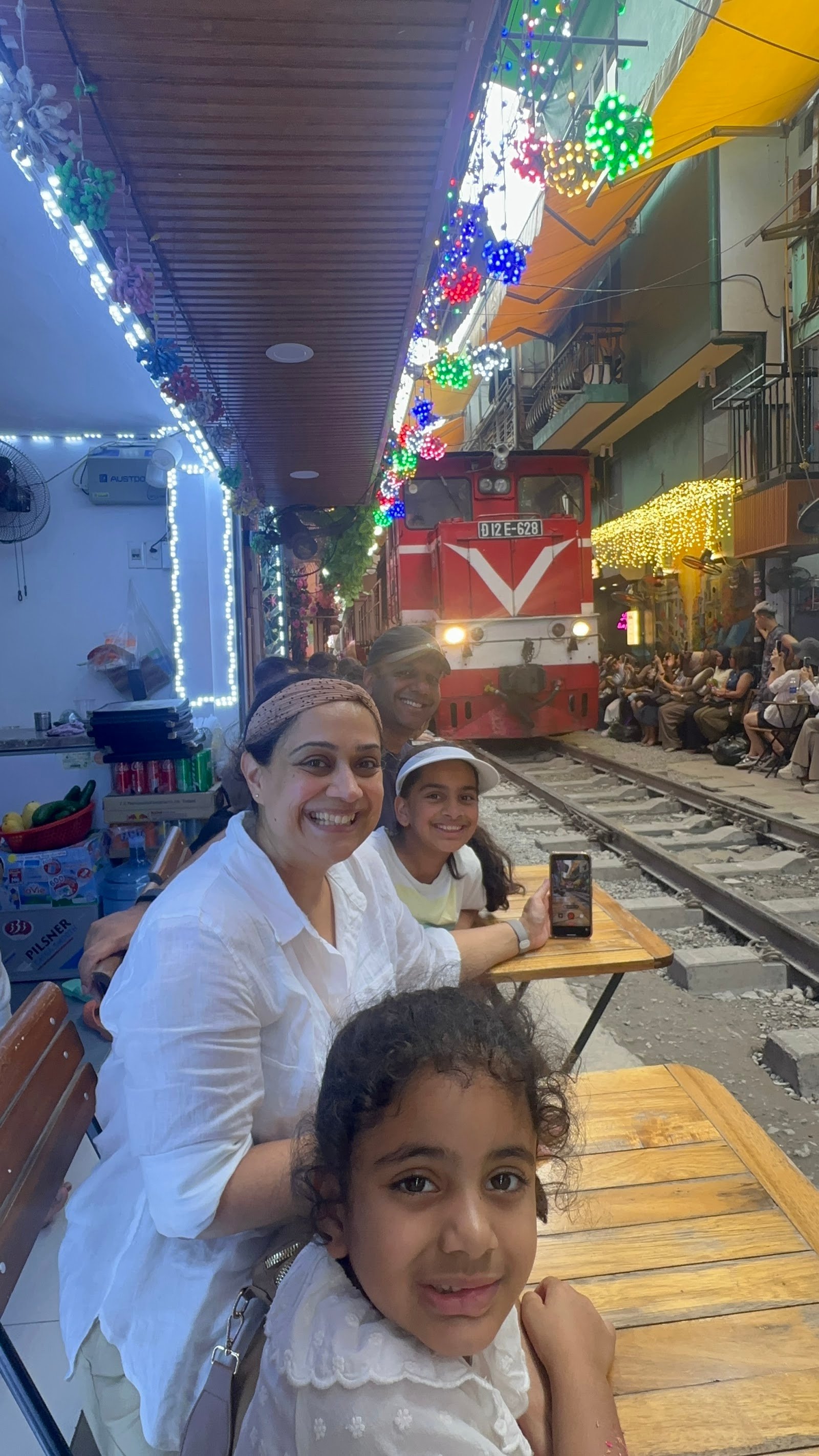
Before it was a viral photo spot, Train Street was simply where a working railway happened to run through people's front rooms. Understanding that history turns a novelty into something genuinely moving.
1. A Colonial-Era Railway
The line dates to the French-built railway of the early 1900s, laid when this was the city's edge. As Hanoi grew, homes pressed right up to the tracks that were here first.
 New
⏱️ 2 Hours
Hanoi Jeep City Highlights Tour | 2 Hours
2. Living With the Trains
Generations of families have raised children, run businesses and dried laundry a metre from the rails. The train's schedule is woven into daily life — a rhythm, not an intrusion.
 Best Seller
⏱️ 4 Hours
 Best Seller
⏱️ 4.5 Hours
3. From Neighbourhood to Icon
Social media turned this everyday street into a global bucket-list stop, bringing both opportunity and the safety pressures behind today's crackdowns.
 Popular
⏱️ 4.5 Hours
Hanoi Countryside Jeep Tour to Co Loa
4. The Community's Perspective
For residents it's home first, attraction second. The cafes let them share it on their terms — which is why visiting respectfully, as a guest, matters.
 Popular
⏱️ 4.5 Hours
 Popular
⏱️ 8 Hours
5. Why the History Enriches the Visit
Knowing the story, you don't just watch a train — you glimpse a century of resilience and adaptation lived out inches from the rails.
6. Frequently Asked Questions
Q: How old is Hanoi Train Street?
A: The railway dates to the French colonial era of the early 1900s. Homes grew up against the tracks as the city expanded.
Q: Do people really live right by the tracks?
A: Yes — families have lived and worked a metre from the rails for generations. It's a real neighbourhood, not a set.
Q: How should I visit respectfully?
A: As a paying cafe guest, following staff instructions and remembering it's people's home. A guide adds the history.